Pregnancy Yoga: Safe Practices & Benefits for Mother & Baby
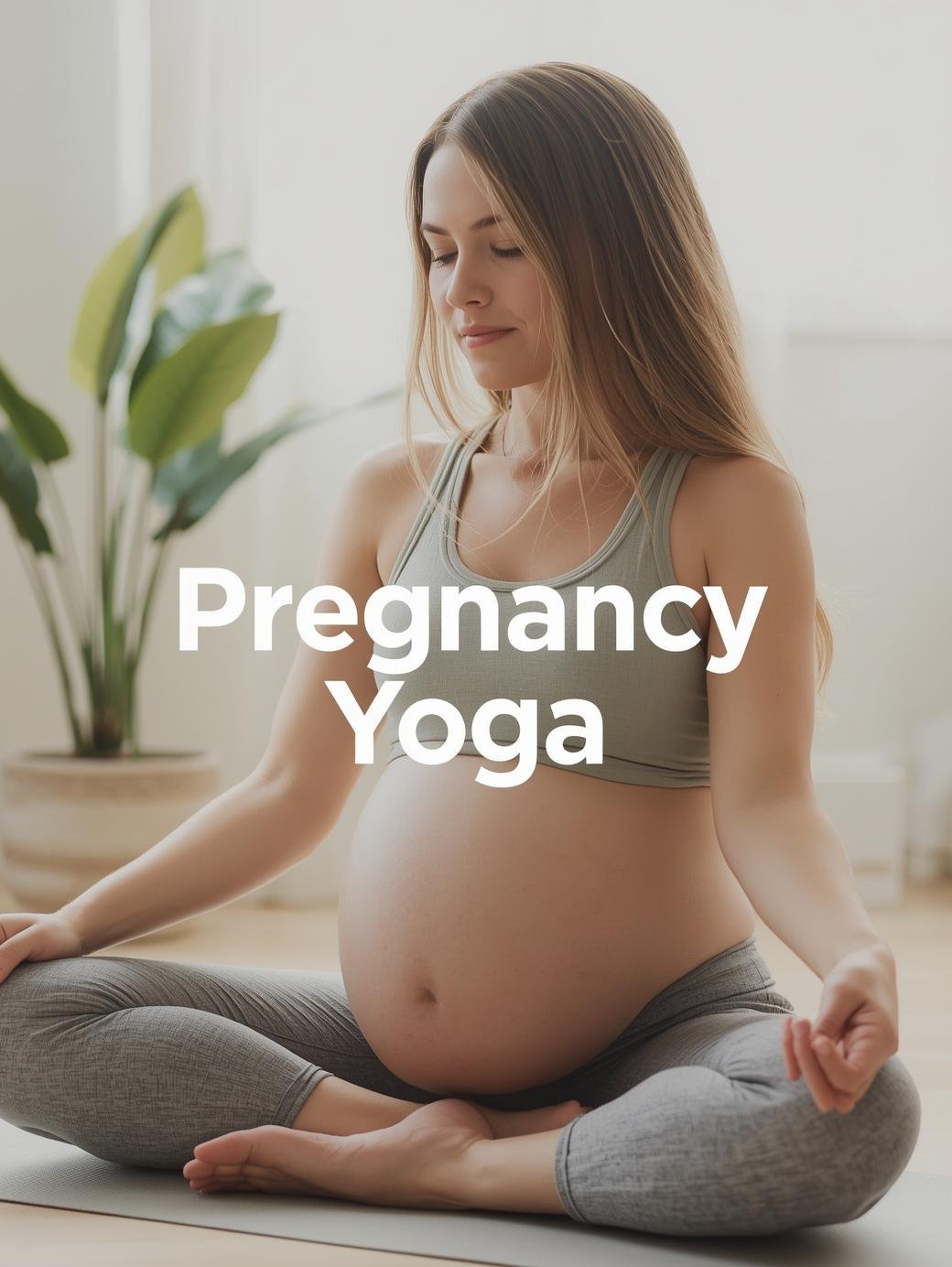
Pregnancy is a transformative journey physically, emotionally, and spiritually. Amid growing bump and shifting hormones, many expectant mothers seek gentle ways to stay active, manage discomfort, and prepare for birth. Pregnancy yoga offers exactly that: a safe, nurturing practice that supports both mother and baby. From easing back pain to promoting deeper sleep, yoga helps pregnant women move with confidence and grace. In this guide, well explore safe poses, breathing techniques, and how prenatal yoga prepares you for labor all while keeping you and your baby healthy and connected.
Table of Contents
- Benefits of Pregnancy Yoga
- Safe Poses & What to Avoid
- How Yoga Supports Labor
- Frequently Asked Questions
- Final Thoughts
Benefits of Pregnancy Yoga
Prenatal yoga offers a wide range of benefits for both mother and baby. It reduces common pregnancy complaints like backaches, swelling, and fatigue. By strengthening core and pelvic floor muscles, it prepares the body for labor and delivery. It also promotes better sleep, reduces anxiety, and fosters a deeper bond with the unborn child.
Studies show that women who practice prenatal yoga regularly report less pain during labor, shorter delivery times, and faster postpartum recovery. Plus, the mindfulness cultivated through yoga helps you stay present, calm, and centered qualities that are invaluable during childbirth.
Safe Poses & What to Avoid
Not all yoga poses are safe during pregnancy. Stick to gentle, supported movements that honor your changing body. Here are some recommended poses:
Supported Bridge Pose (Setu Bandhasana): Lying on your back with a pillow under your hips opens the hips and relieves lower back pain.
Cat-Cow (Marjaryasana-Bitilasana): This flowing movement warms the spine and improves flexibility great for early pregnancy.
Tree Pose (Vrksasana): Improves balance and focus. Use a wall or chair for support if needed.
Seated Forward Bend (Paschimottanasana): Stretch the hamstrings and calm the mind. Keep a slight bend in the knees to avoid strain.
What to Avoid: Never lie flat on your back after the first trimester. Avoid deep twists, intense inversions, or poses that compress the abdomen. Always modify based on comfort.



How Yoga Supports Labor
Yoga prepares your body and mind for labor in several ways. Pelvic-opening poses like Squat (Malasana) and Butterfly (Baddha Konasana) widen the birth canal and encourage optimal fetal positioning. Breathwork teaches you to manage contractions calmly and efficiently.
During labor, use Ujjayi breath (ocean breath) to stay focused and relaxed. Visualize each contraction as a wave rising, peaking, and releasing. This mindset reduces fear and increases confidence.
After birth, gentle restorative poses help the body recover. Savasana (Corpse Pose) with a pillow under the knees promotes relaxation and healing.
Real-life tip: Attend a prenatal yoga class led by a certified instructor. They can offer personalized adjustments and ensure your safety throughout the practice.
Frequently Asked Questions
Q: Is it safe to start yoga during pregnancy?
A: Yes, if youre healthy and have no complications. Begin with gentle prenatal classes and avoid high-intensity styles.
Q: Can yoga help with morning sickness?
A: While not a cure, gentle movement and deep breathing can reduce nausea and improve digestion.
Q: How often should I practice prenatal yoga?
A: 23 times per week is ideal. Listen to your body rest when needed, and never push through pain.


Final Thoughts
Pregnancy yoga is more than exercise its a sacred practice of connection, preparation, and self-care. By moving mindfully, breathing deeply, and listening to your body, you create a foundation for a positive birth experience and a stronger bond with your baby. Whether youre a seasoned yogi or new to the mat, prenatal yoga welcomes you with warmth and wisdom. Breathe, stretch, and trust the journey your body knows exactly what to do.