Velvet, Silk, or Plastic? How to Pick the Right Headband Material
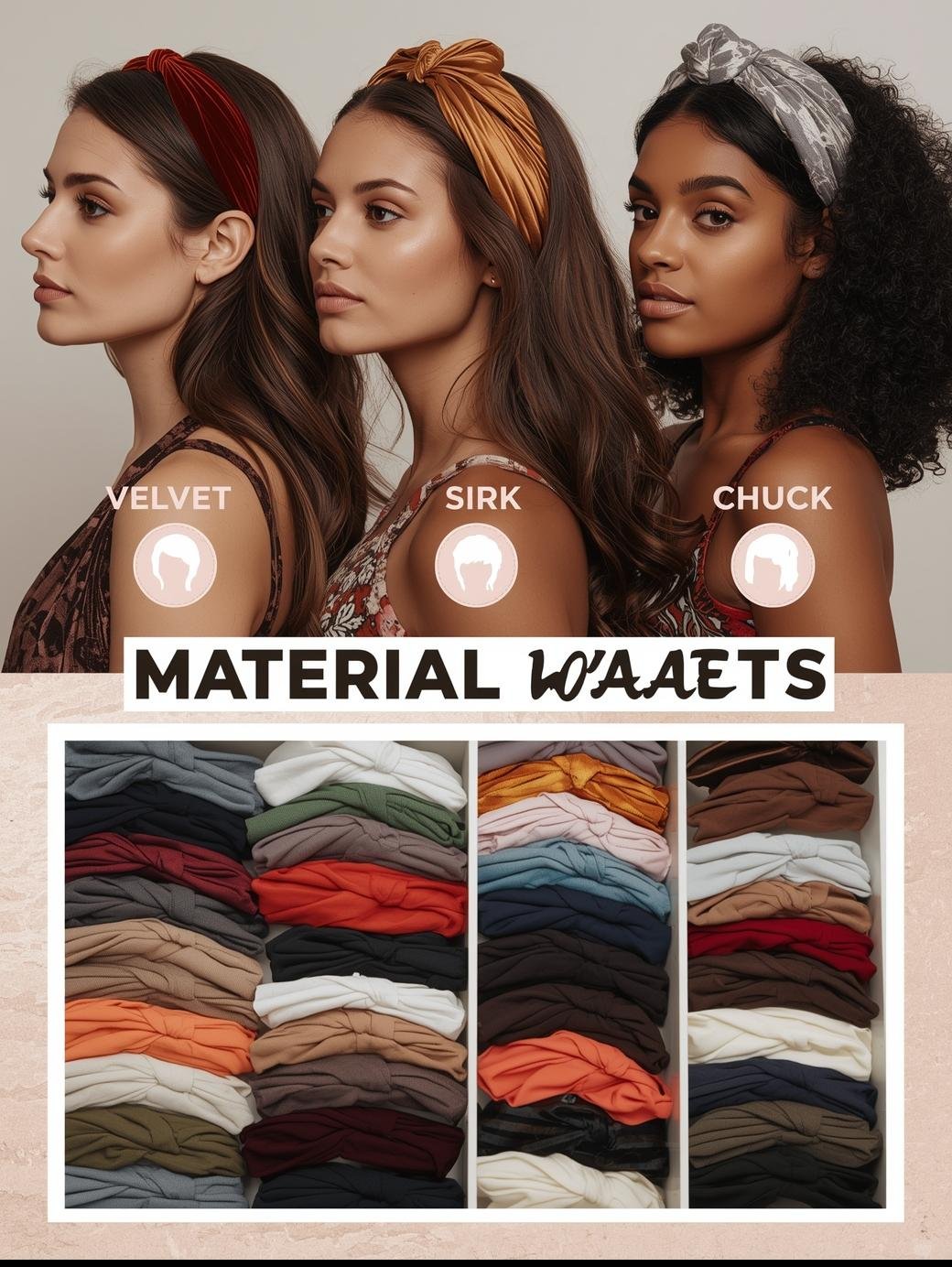
Not all headbands are created equal — and your hair type, climate, and occasion should dictate your choice. A velvet band may look luxe in winter photos but slip off fine hair by noon. A plastic comb may grip thick curls but leave pressure marks on sensitive scalps. Silk glides without snagging but offers zero hold for workouts. Choosing the right material isn’t just about aesthetics — it’s about comfort, function, and hair health. In this guide, we break down the pros, cons, and perfect pairings for every headband fabric so you can style with confidence — no headaches or flyaways included.
Table of Contents
- Why Material Matters for Headbands
- Headband Material Guide by Hair & Occasion
- How to Prevent Slippage & Damage
- Frequently Asked Questions
- Final Thoughts
Why Material Matters for Headbands
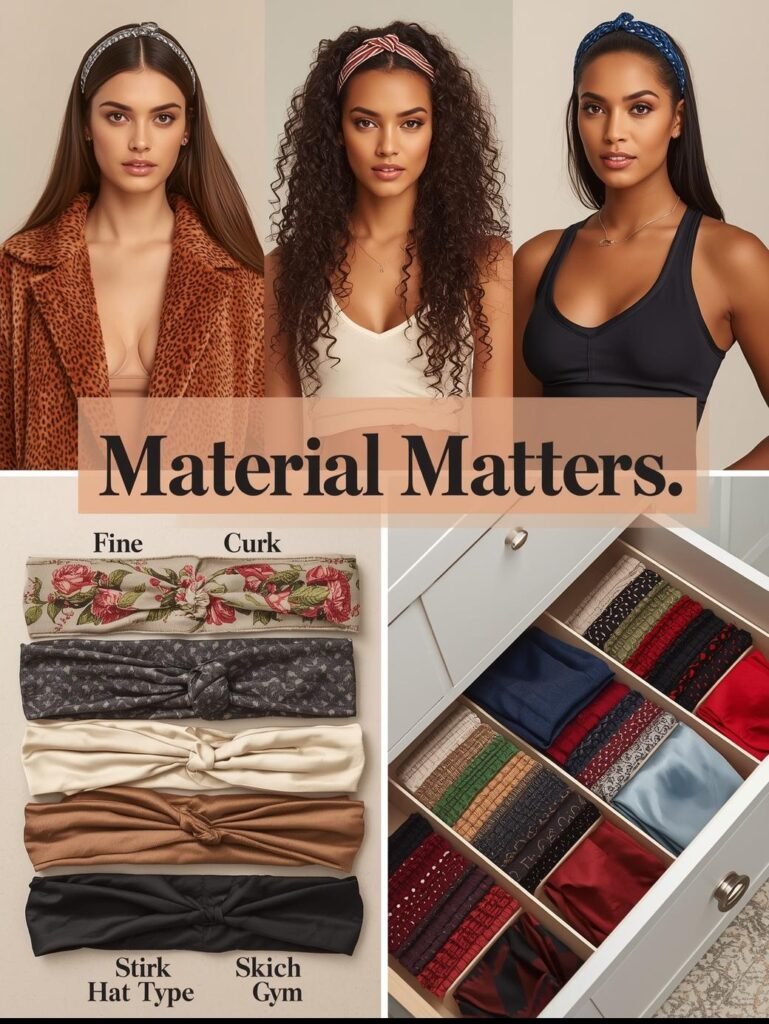
The wrong headband can cause breakage, slippage, or scalp irritation — especially for fine, curly, or sensitive hair. Velvet grips well but can mat fine strands. Plastic combs hold thick hair but pull at roots. Silk protects hair but slides off without texture. Climate plays a role too: velvet traps heat, plastic sweats, silk breathes.
Occasion matters equally. A beaded plastic band might survive a spin class but look out of place at a wedding. A silk-wrapped band elevates a blowout but won’t contain post-gym frizz. Match material to moment — and your hair will thank you.
Headband Material Guide by Hair & Occasion
| Material | Best For Hair Type | Ideal Occasion | Avoid If… |
|---|---|---|---|
| Velvet | Thick, straight, or wavy | Fall/Winter events, photoshoots | You have fine hair or live in humid climates |
| Silk/Satin | Fine, curly, or frizz-prone | Everyday wear, bedtime, blowouts | You need high hold or sweat a lot |
| Plastic (flexible) | Thick, curly, or coily | Workouts, outdoor activities | You have sensitive scalp or thin hair |
| Knit/Cotton | All types (gentle hold) | Casual days, post-wash styles | You need sleek, polished look |
| Wire-Core Fabric | Medium to thick, for shaping | Updos, vintage styles, performances | You want comfort over structure |


How to Prevent Slippage & Damage
For slippage: Texture is your friend. Lightly backcomb the section under the band, or use a texturizing spray for grip. For velvet or fabric bands, sew a strip of silicone grip tape inside — invisible but effective.
For damage: Avoid tight elastic or unyielding plastic. Stretch bands before wearing to reduce tension. Remove headbands slowly — don’t yank. And never sleep in rigid styles; opt for silk or satin scrunchies instead.
Real-life tip: Keep mini travel hairspray and bobby pins in your bag. A quick spritz under the band and a hidden pin at each end locks everything in place — no one will know it’s insurance against slippage.
Frequently Asked Questions
Q: Can headbands cause hair loss?
A: Only if worn too tight daily. Choose flexible materials, rotate positions, and give your scalp breaks to avoid traction alopecia.
Q: How do I clean velvet or silk headbands?
A: Spot-clean with damp cloth + mild soap. Air dry flat. Never machine wash — it ruins texture and shape.
Q: What’s the best headband for preventing frizz?
A: Silk or satin — they reduce friction. Wrap hair loosely and avoid pulling tight over the crown.
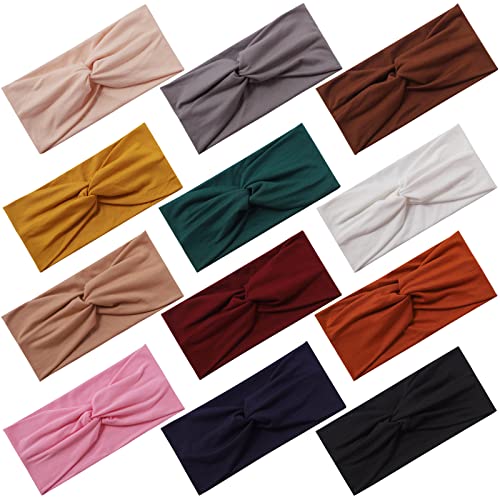
Find your perfect headband match with our curated selection of velvet, silk, plastic, and knit styles — designed for your hair type, climate, and lifestyle.
Conclusion
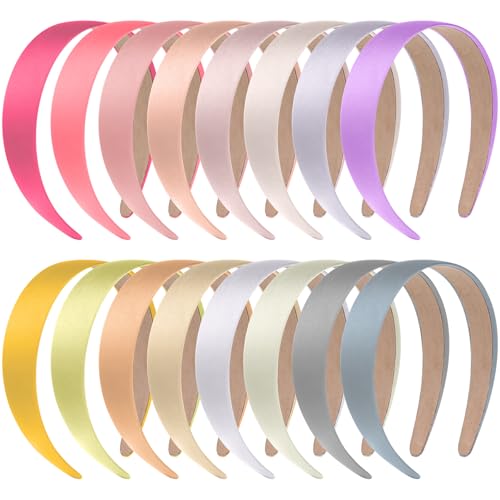
Headbands are more than accessories — they’re hair guardians, style elevators, and confidence boosters. But only if you choose the right material. Match velvet for drama, silk for protection, plastic for grip, and knit for comfort — and you’ll never have a bad hair day (or headache) again. Experiment, adjust, and embrace the band that loves your hair back. Your perfect fit is waiting.