How to Prevent Hair Clip Damage (And Keep Them From Slipping)
Hair clips should hold, not harm. Yet so many of us battle slippage, snapped strands, or scalp headaches from poorly designed clips. The culprit? Often the wrong clip type for your hair texture, thickness, or style. A claw clip that’s too small crushes curls. A metal barrette without grip slides off fine hair. Plastic teeth pull at roots. But with the right knowledge — and a few pro tips — you can find clips that stay put, protect your strands, and look chic doing it. No more flyaways, no more breakage, no more midday clip failures.
Table of Contents
- Why Clip Choice Affects Hair Health
- Hair Clip Guide by Type & Hair Texture
- Pro Tips to Prevent Slippage & Breakage
- Frequently Asked Questions
- Final Thoughts
Why Clip Choice Affects Hair Health
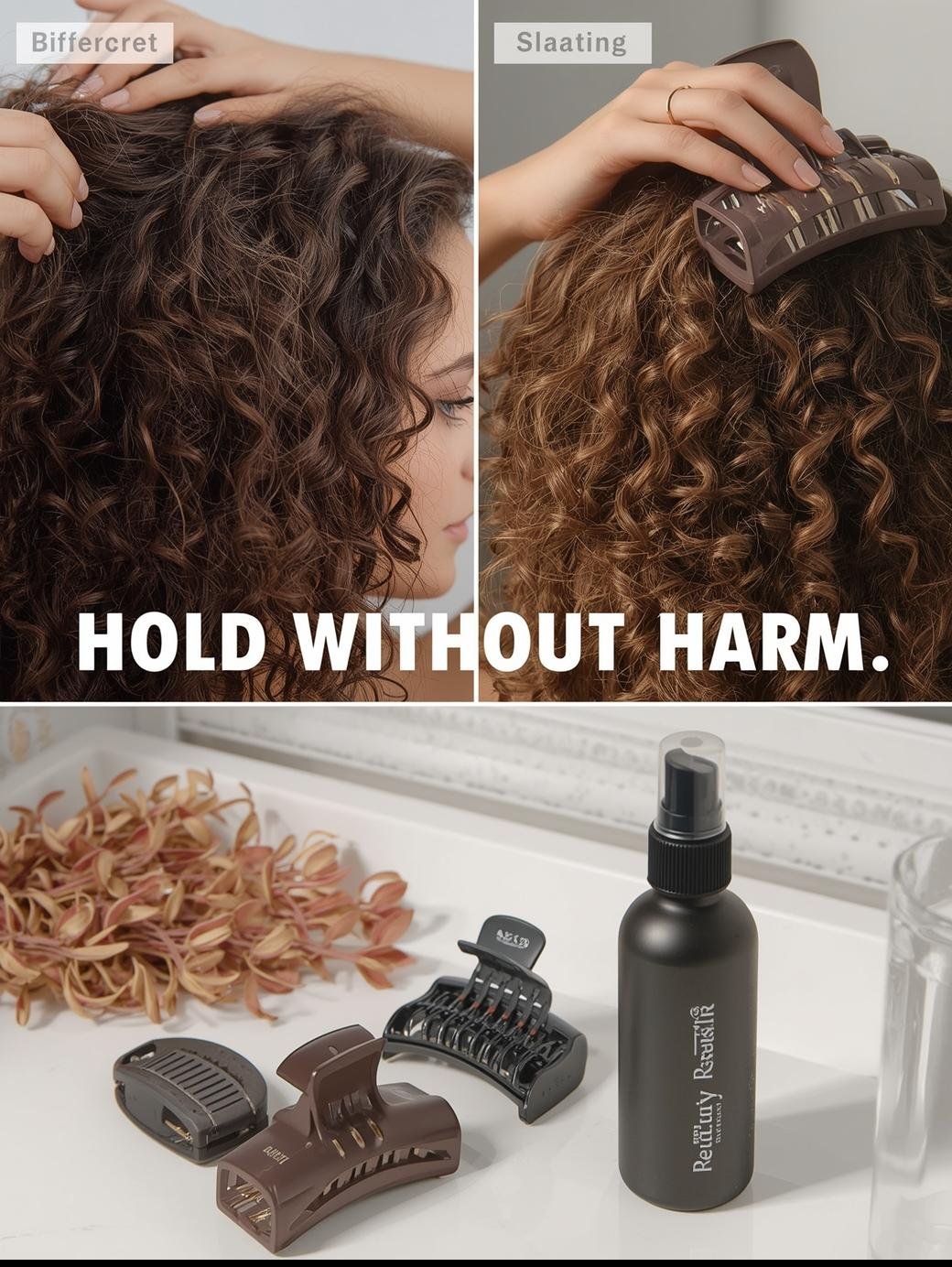
Clips with sharp edges, tight springs, or rough interiors can snag, snap, or strain hair — especially when removed hastily. Fine hair slips out of smooth metal; thick hair overwhelms small clasps. Curly hair needs wide-toothed or padded grips to avoid flattening; straight hair benefits from textured surfaces for hold.
Material matters too. Metal can heat up and damage hair in sun. Plastic can become brittle and crack. Silicone-coated clips offer grip without abrasion. And size? Undersized clips create tension; oversized ones lack control. Match clip to task — and your hair stays safe.
Hair Clip Guide by Type & Hair Texture
| Clip Type | Best For Hair Texture | Hold Strength | Avoid If… |
|---|---|---|---|
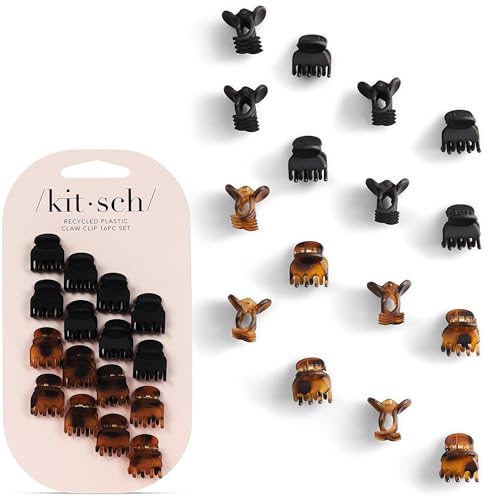
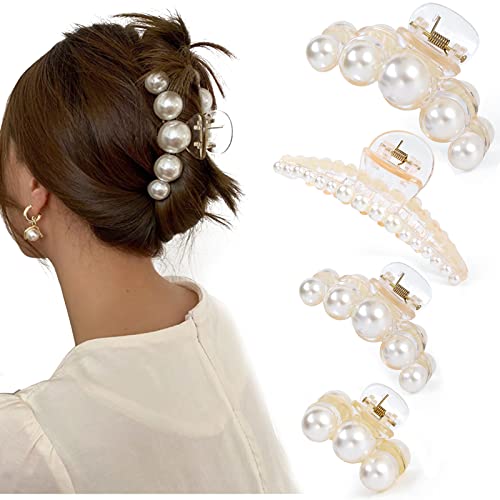
| Claw Clip (Large) | Thick, curly, long | Strong | You have fine or short hair |
| Barrette (Textured) | Fine, straight, medium | Medium | You need all-day hold for thick hair |
| Bobby Pin (Silicone-Tip) | All types (sectioning) | Adjustable | You want visible styling |
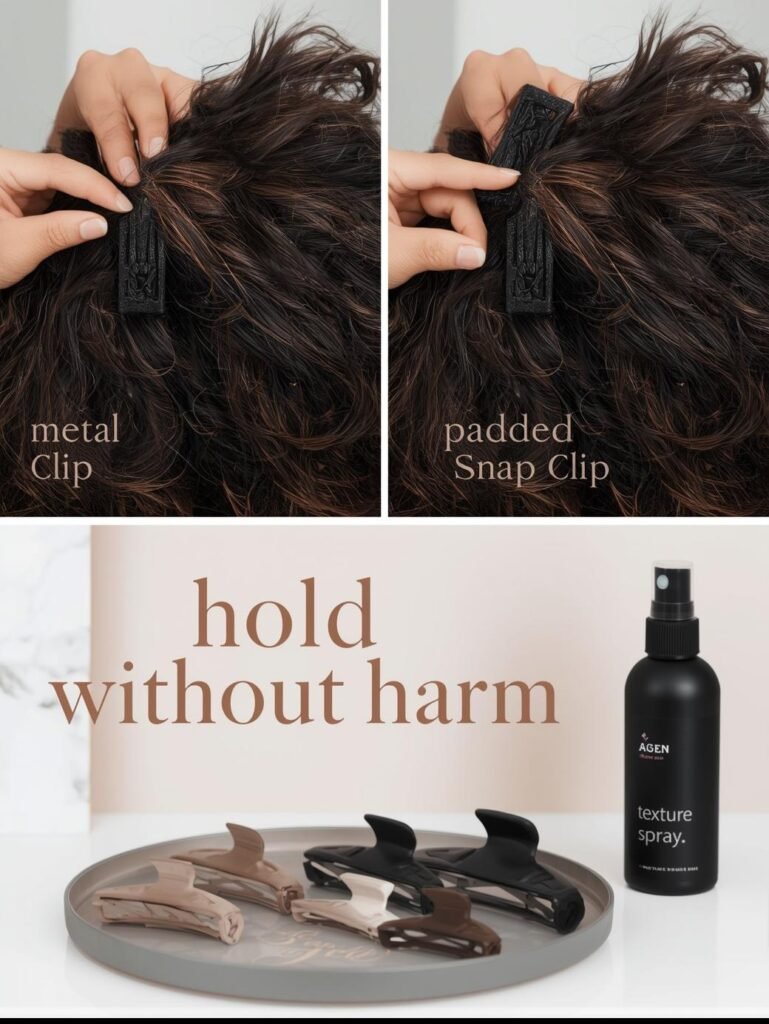
| Snap Clip (Padded) | Delicate, fine, damaged | Gentle | You need heavy-duty hold |
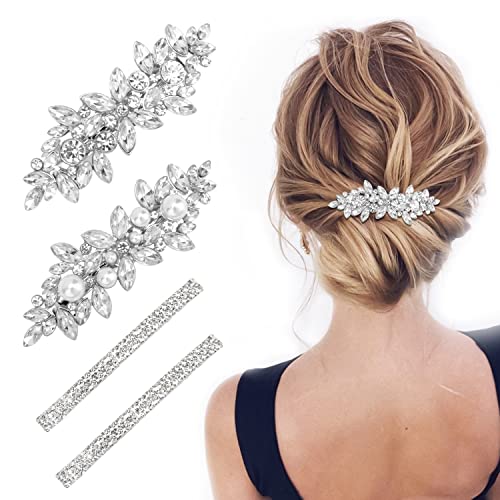
| French Barrette | Medium to thick, wavy | Strong | You have very fine or slick hair |

Pro Tips to Prevent Slippage & Breakage
To prevent slippage: Prep hair with texture spray or dry shampoo at the roots — grip starts at the base. For fine hair, criss-cross two bobby pins instead of one. For claw clips, twist hair first, then clamp — the tension locks it in.
To prevent breakage: Open clips fully before placing — don’t stretch hair to fit. Remove by pressing the mechanism, not yanking. Store clips open to preserve spring tension. And never use metal clips on wet hair — it stretches and weakens strands.
Real-life tip: Rub a tiny bit of clear mascara on the inner teeth of plastic clips — it adds grip without residue. Wash off weekly with soap and water.
Frequently Asked Questions
Q: Can hair clips cause bald spots?
A: Only if used too tightly in the same spot daily. Rotate positions and choose wide, padded clips to distribute pressure.
Q: How do I clean my hair clips?
A: Soak plastic/metal in warm soapy water, scrub crevices with toothbrush. Wipe fabric/padded clips with damp cloth. Dry fully before storing.
Q: What’s the best clip for updos that last all day?
A: Large claw clips for thick hair, French barrettes for medium, and silicone-grip bobby pins layered for fine hair — always prep with texture spray.
Upgrade your clip collection with our damage-free, non-slip picks — designed to hold strong, protect your hair, and look effortlessly chic.

Conclusion
The right hair clip doesn’t just stay put — it safeguards your strands and enhances your style. Ditch the ones that slip, snap, or strain. Embrace clips engineered for your hair’s unique needs. With a little knowledge and the right tools, you’ll conquer bad hair days, protect your locks, and clip with confidence. Your perfect hold is just a click away.