
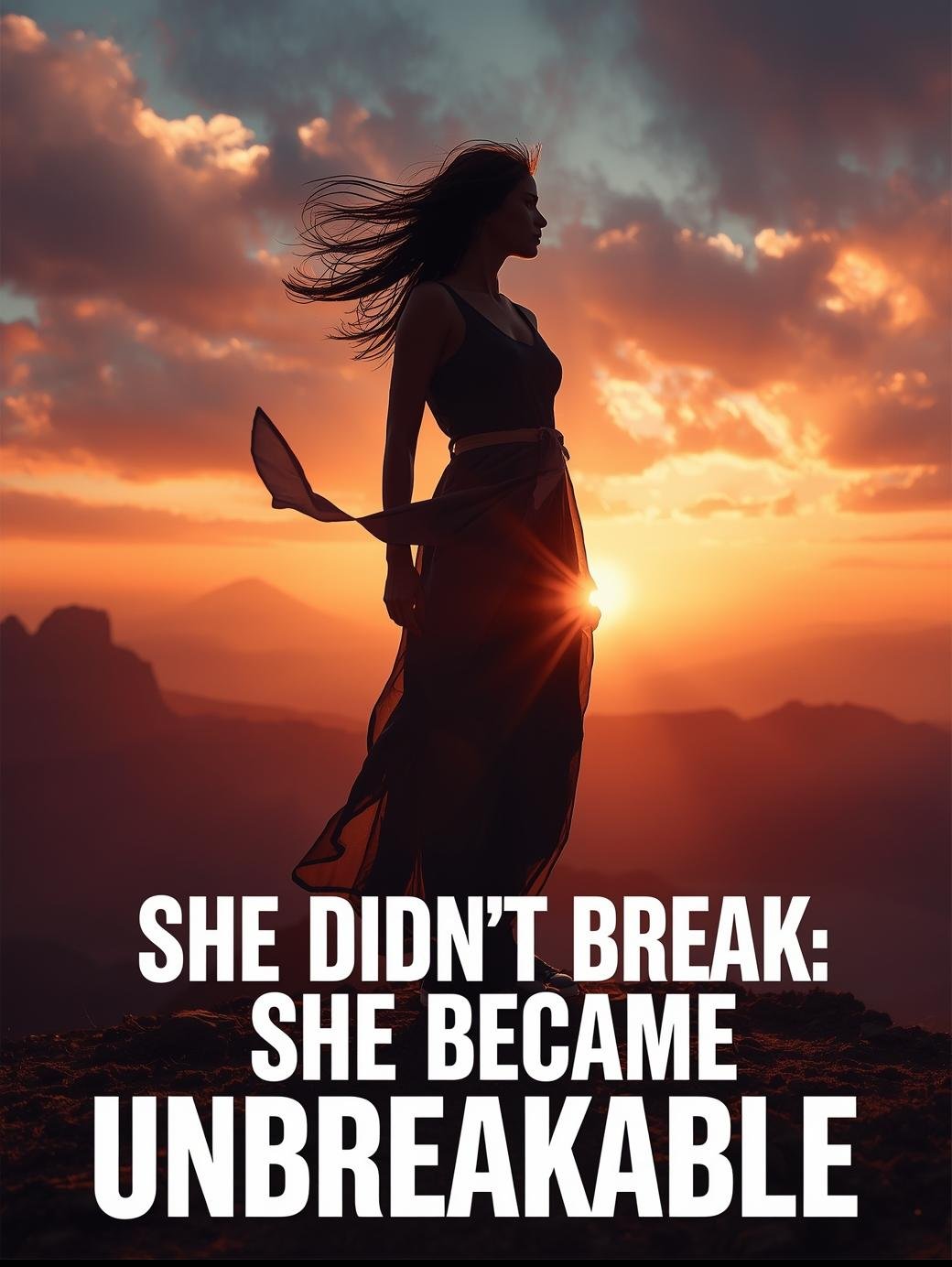
The Power of Resilience: Stories of Women Who Overcame Adversity
Resilience isnt something youre born with its something you build. Like a muscle, it strengthens with use, forged in the fires of challenge, loss, and unexpected detours.
And nowhere is this truth more beautifully, powerfully demonstrated than in the lives of women who have faced seemingly insurmountable odds and not only survived, but thrived.
This isnt about glorifying suffering. Its about honoring the quiet, fierce strength that rises in its wake. Its about showing you, dear reader, that no matter what youre facing right now, you too possess that same unbreakable core.
In this post, well share real, raw stories of women who turned pain into power. Well explore the common threads in their journeys, and most importantly, extract practical lessons you can apply to your own life when the ground feels shaky beneath your feet.
What Is Resilience, Really?
Resilience is often misunderstood. Its not about being stoic, or never crying, or pretending everything is fine when its not.
True resilience is:
- Adaptability: The ability to bend without breaking, to adjust your sails when the wind changes.
- Perseverance: The grit to keep putting one foot in front of the other, even when the path is steep and dark.
- Hope: The quiet, stubborn belief that dawn will come, even in the deepest night.
- Self-Compassion: The courage to be kind to yourself in your brokenness, knowing its part of the healing.
Its not the absence of struggle; its the presence of strength within it.
Story 1: From Burnout to Boundaries Mayas Journey
Maya was a high-achieving marketing director. She worked 70-hour weeks, said yes to everything, and equated her worth with her output. Then, her body rebelled. Chronic fatigue. Panic attacks. A diagnosis of adrenal burnout.
Her turning point? A therapist asked: What would you tell your best friend if she were in your shoes?
Maya realized shed tell her friend to rest. To say no. To prioritize health. So she did. She negotiated a 4-day work week. She started therapy. She learned to cook simple, nourishing meals. It wasnt an overnight fix, but slowly, her energy returned not the frantic, caffeine-fueled kind, but a deep, sustainable calm.
Lesson: Resilience often starts with radical self-honesty and the courage to set boundaries even when it feels selfish.
Story 2: Rebuilding After Loss Aishas Phoenix Rising
Aisha lost her husband suddenly to illness, leaving her a single mother of two young children. Grief was a tidal wave. Some days, getting out of bed felt impossible.
Her resilience wasnt loud. It was quiet. It was making peanut butter sandwiches when she had no appetite. It was letting her kids see her cry, then hugging them and saying, Were going to be okay. It was joining a grief support group, not because she wanted to, but because she knew she couldnt do it alone.
Five years later, Aisha started a small online business selling handmade jewelry a creative outlet that also provided financial independence. She still has hard days, but she knows her strength now. Grief didnt break me, she says. It remade me. And the new me is stronger than I ever knew I could be.
Lesson: Resilience isnt about getting over loss; its about learning to carry it, integrating it into your life, and finding meaning on the other side.


Story 3: Defying the Odds Elenas Unlikely Triumph
Elena grew up in poverty, the first in her family to finish high school. She dreamed of becoming a doctor, but everyone told her it was impossible. People like us dont become doctors, they said.
She faced rejection after rejection from medical schools. She worked three jobs to pay for community college. She studied by flashlight when the power was cut off.
Her resilience? A stubborn, almost irrational belief in her dream. She kept applying. She found mentors. She aced her exams. On her fourth try, she got in.
Today, Dr. Elena runs a free clinic in her old neighborhood. They told me no so many times, she smiles. But no just meant not yet.
Lesson: Resilience is fueled by purpose. When you know your why, external nos lose their power.
How to Cultivate Your Own Resilience (Practical Steps)
You dont have to wait for a crisis to build resilience. You can strengthen it daily:
- Name Your Feelings: Dont suppress or judge them. I feel overwhelmed, I feel scared, I feel heartbroken. Naming it tames it.
- Find Your Anchors: What grounds you? A morning walk? A favorite song? A call with a trusted friend? Identify 2-3 anchors and use them daily.
- Practice And Thinking: Instead of Im devastated AND I have to go to work, try Im devastated, AND Im strong enough to get through today. This acknowledges pain without erasing strength.
- Seek Micro-Wins: Did you make your bed? Send that email? Take a shower? Celebrate it. These small victories rebuild your sense of agency.
- Connect: Resilience is relational. Share your struggle with someone safe. Ask for help. You are not meant to carry it alone.
FAQs: Building Unshakeable Strength
Q: I dont feel resilient at all. Does that mean Im weak?
A: Absolutely not. Feeling fragile doesnt mean you are weak; it means youre human. Resilience isnt a fixed trait its a skill you can develop, starting right now, with one small act of self-kindness.
Q: How long does it take to become resilient?
A: Theres no timeline. For some, a single moment of clarity sparks it. For others, its a slow, steady build over years. Focus on progress, not perfection. Every time you choose to get back up, youre strengthening your resilience muscle.
Q: Can resilience be learned, or is it just genetics?
A: While some people may have a slight genetic predisposition, resilience is overwhelmingly learned through experience, mindset, and support. You can absolutely cultivate it, no matter your starting point.
Q: What if Im facing something truly traumatic? Can resilience even help?
A: Yes, but professional support is crucial. Resilience isnt about toughing it out alone. Its about using your inner strength to seek help, to engage in therapy, to build a support network. Healing is the ultimate act of resilience.


Conclusion: You Are More Resilient Than You Know
The women in these stories arent superheroes. Theyre ordinary women who discovered extraordinary strength within themselves strength that was there all along, waiting to be called forth.
Your story is still being written. The challenges you face? Theyre not roadblocks; theyre the raw material for your own resilience story.
You dont have to be fearless. You just have to be willing to feel the fear and take the next step anyway.
Look back at your life. Think of all the times you thought you couldnt, but you did. Thats your resilience. Its already in you.
So take a deep breath. Put one foot in front of the other. Trust that you have everything you need within you to not just survive your storm, but to emerge from it wiser, stronger, and more beautifully whole than before.
Youve got this. And youre not alone.


