Yoga Postpartum: Recover, Rebalance, Rebuild
After childbirth, your body needs time to heal, reset, and rebuild. The postpartum period is a delicate transition physically, emotionally, and mentally. Many new mothers feel overwhelmed by fatigue, pelvic discomfort, and hormonal shifts. But with gentle yoga, you can reclaim your strength, restore your confidence, and reconnect with your body in a nourishing way. In this guide, well explore safe postpartum yoga practices, timelines for returning to the mat, and how to support your recovery with breath, movement, and mindfulness.
Table of Contents
- Understanding Postpartum Recovery
- Gentle Yoga for Healing
- When to Resume Practice
- Frequently Asked Questions
- Final Thoughts
Understanding Postpartum Recovery
The postpartum period varies from woman to woman. Most doctors recommend waiting 68 weeks before resuming exercise, especially if you had a cesarean section. During this time, your body repairs tissues, sheds excess fluid, and rebalances hormones. Rushing back too soon can lead to pelvic floor dysfunction, diastasis recti (abdominal separation), or increased risk of injury.
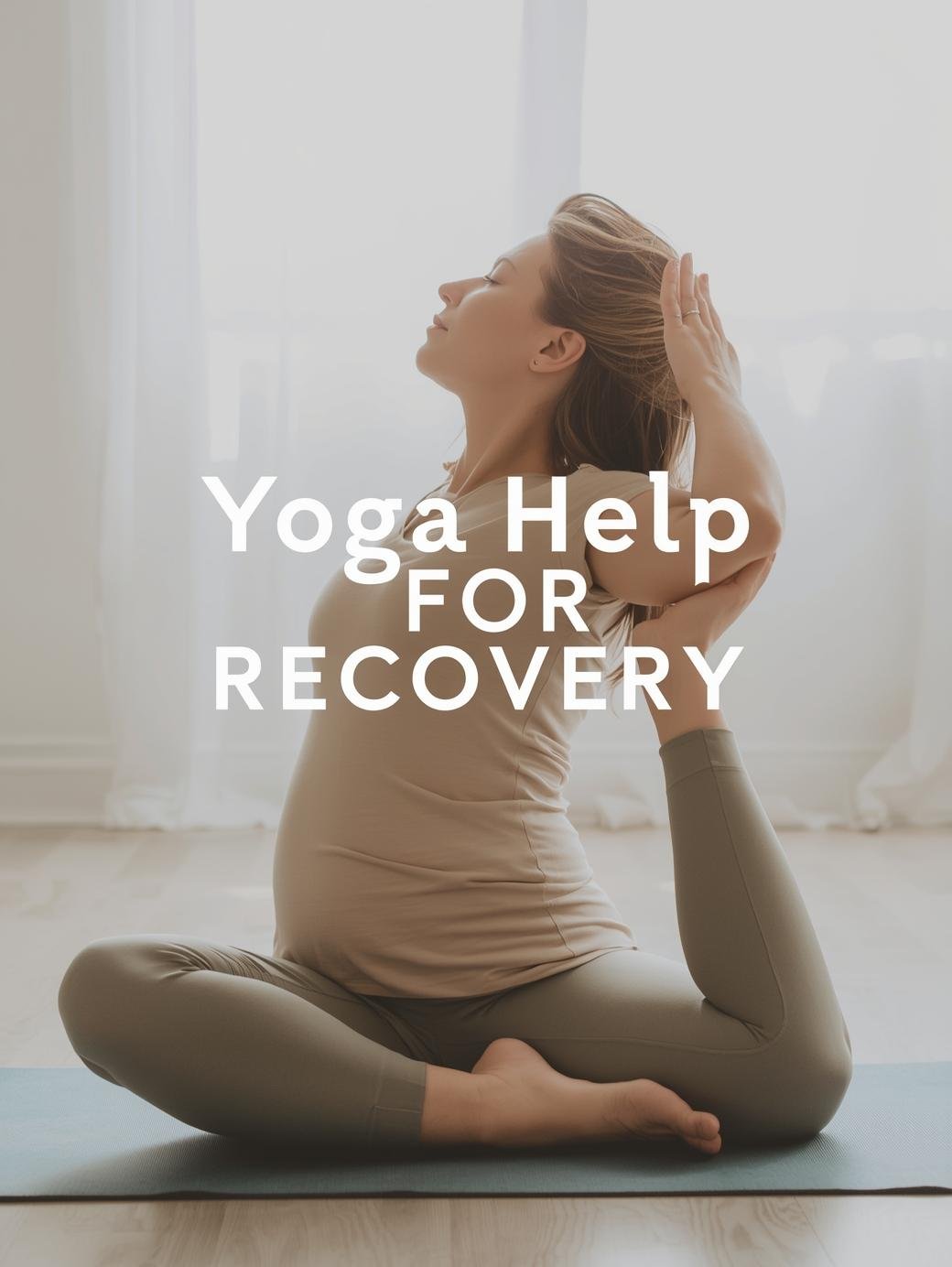
Yoga offers a safe, gradual path back to movement. It focuses on rebuilding core strength, restoring pelvic floor function, and managing stress all essential for long-term health.
Gentle Yoga for Healing
Start with restorative and pelvic-floor-focused poses. Here are some beginner-friendly options:
Knee-to-Chest (Apanasana): Lie on your back and pull one knee toward your chest. This gently massages the abdomen and releases tension.
Childs Pose (Balasana): Kneel and sit back on your heels, arms extended forward. This soothes the nervous system and relieves back pain.
Bridge Pose (Setu Bandhasana): Lift your hips while lying on your back. This strengthens the glutes and improves circulation.
Diaphragmatic Breathing: Lie on your back and place hands on your belly. Breathe deeply into the abdomen, allowing the ribs to expand. This activates the parasympathetic nervous system and calms the mind.
Real-life tip: Practice in short sessions 1015 minutes is enough. Do it while your baby naps or during feeding breaks. Consistency beats intensity.



When to Resume Practice
Wait until your healthcare provider gives clearance usually 6 weeks post-delivery. If you had a C-section, allow extra time for healing. Begin with pelvic floor exercises (Kegels) and gentle stretching. Gradually add core work and balance poses as your strength returns.
Listen to your body. If you feel pain, heaviness, or leakage, stop and consult a pelvic floor therapist. Healing takes time be patient and kind to yourself.
Frequently Asked Questions
Q: Can I do yoga if I had a C-section?
A: Yes, but wait until cleared by your doctor. Start with gentle movements and avoid abdominal crunches.
Q: Will yoga help with postpartum depression?
A: Yes. Yoga reduces cortisol, boosts endorphins, and promotes mindfulness all of which support emotional healing.
Q: How long does it take to regain strength after childbirth?
A: It varies. Most women see improvement within 36 months with consistent practice. Patience and self-compassion are key.


Final Thoughts
Postpartum yoga isnt about getting back to normal its about discovering a new version of yourself. It honors the changes your body has undergone and celebrates your strength. With gentle movement, mindful breath, and compassionate self-care, you can rebuild your body and soul one breath at a time. Youve already done the hardest part. Now, let yoga guide you home.